Planning the work on your property? Read our glamping site preparation guide for access, supports, utilities, and a delivery-readiness checklist.
The cabin price is easy to find. The number that takes more work is what you’ll spend before a guest can check in.
There’s the truck that brings it to your property. The equipment that puts it in place. Power, water, drainage, a path to the door, linens on the bed. Each belongs in the budget.
For a resort owner or glamping developer, the useful number is the total cost to open. Knowing it early helps you compare proposals and avoid reaching the end of installation with an unfinished property and too little cash left to operate.
Start with three numbers.
The unit
Your specified dwelling, equipment, finishes, and included design work.
The opening
Delivery, installation, site work, furnishings, and everything needed for guests.
The funding
Land, shared infrastructure, financing costs, contingency, and operating cash.
There’s no single percentage you can add to a cabin price to cover every site. An established resort with spare utility capacity has a very different starting point from a piece of undeveloped land.
The purchase
Know what’s inside the quote.
A finished bathroom doesn’t necessarily include the connection to your wastewater system. Built-in cabinetry doesn’t necessarily include a mattress, coffee maker, or dishes.
Before comparing prices, line up the specifications: dimensions, layout, structure, insulation, glazing, finishes, appliances, heating and cooling, and interior plumbing and electrical systems. Confirm any chassis or transport frame, engineering documentation, and on-site completion work.
Ask each supplier to mark the scope included, optional, or supplied by others. It’s a simple exercise that makes differences between proposals much easier to see.
Design choices can affect more than the purchase price. A wider unit, heavier finish, or unusual roof shape may also change the transport and placement plan.
The property
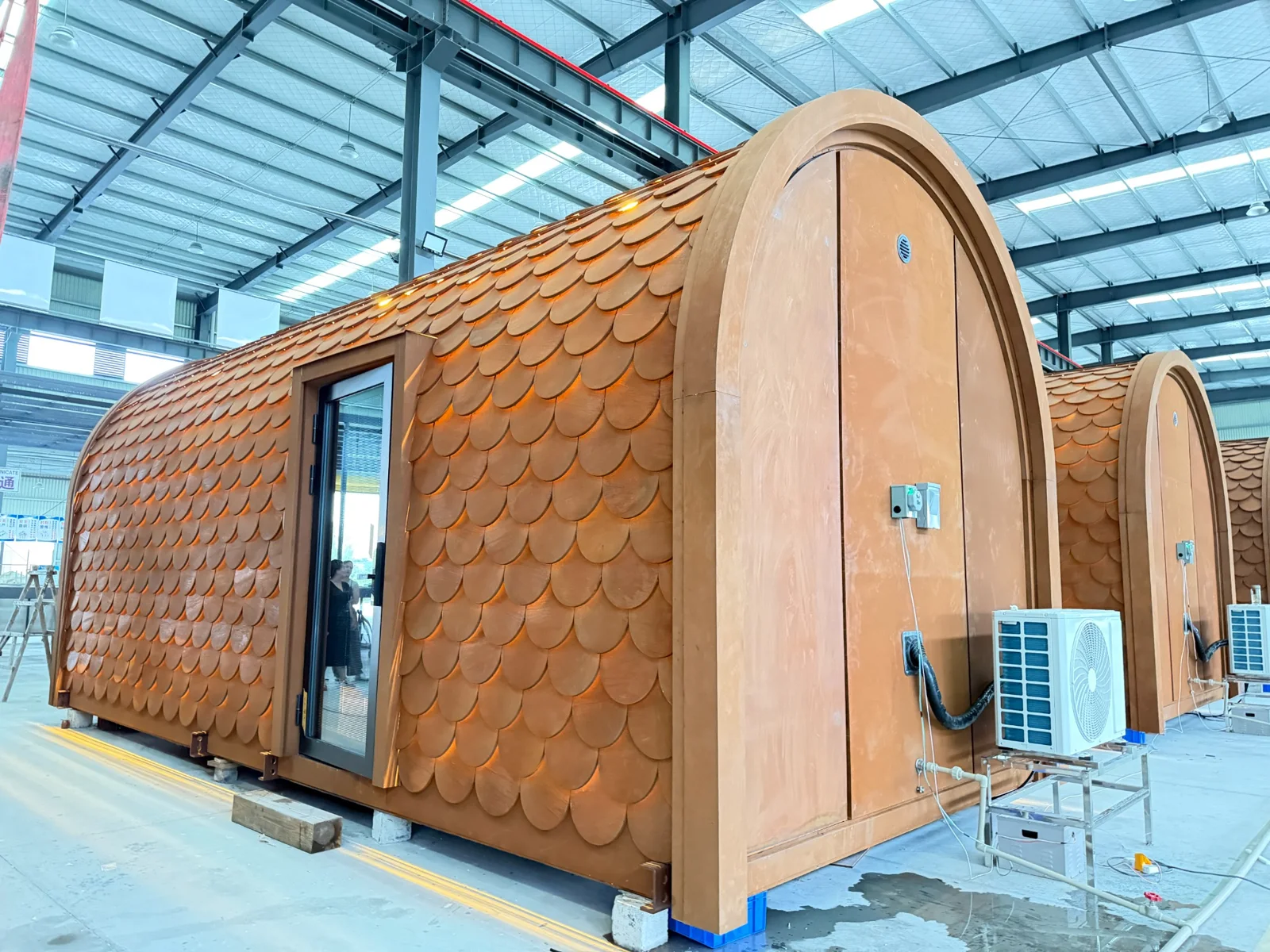
The same cabin. A different site budget.
Start by establishing whether your intended hospitality use works on the property and what the local approval process requires. Surveys, soils investigations, civil design, applications, and professional fees may all belong in the early budget.
If you’re acquiring land, include the purchase and closing costs. If you’re leasing, include deposits and payments before opening. Already own the site? Separate the additional cash needed to open from the full investment you’ll use to evaluate returns.
Price the ground work.
Clearing, grading, drainage, access roads, parking, and pathways can add up quickly. Rock, steep slopes, soft ground, and long service runs change the scope. Get local estimates based on a site plan, rather than relying on a generic allowance per cabin.
Keep shared costs visible.
A unit pad serves one cabin. A main access road or wastewater upgrade may serve the entire property. Track those separately so you can see both the cost of the next unit and the cost of the whole development.
If phase one opens five cabins, it still needs enough cash to pay for the infrastructure you’re building for twenty.
Dividing infrastructure costs across future units can help long-term planning. It doesn’t change when the bill comes due.
Getting it there
Delivery ends somewhere. Find out where.
“Delivered” might mean the property entrance, an unloading area, or the final pad. Those are different commitments.
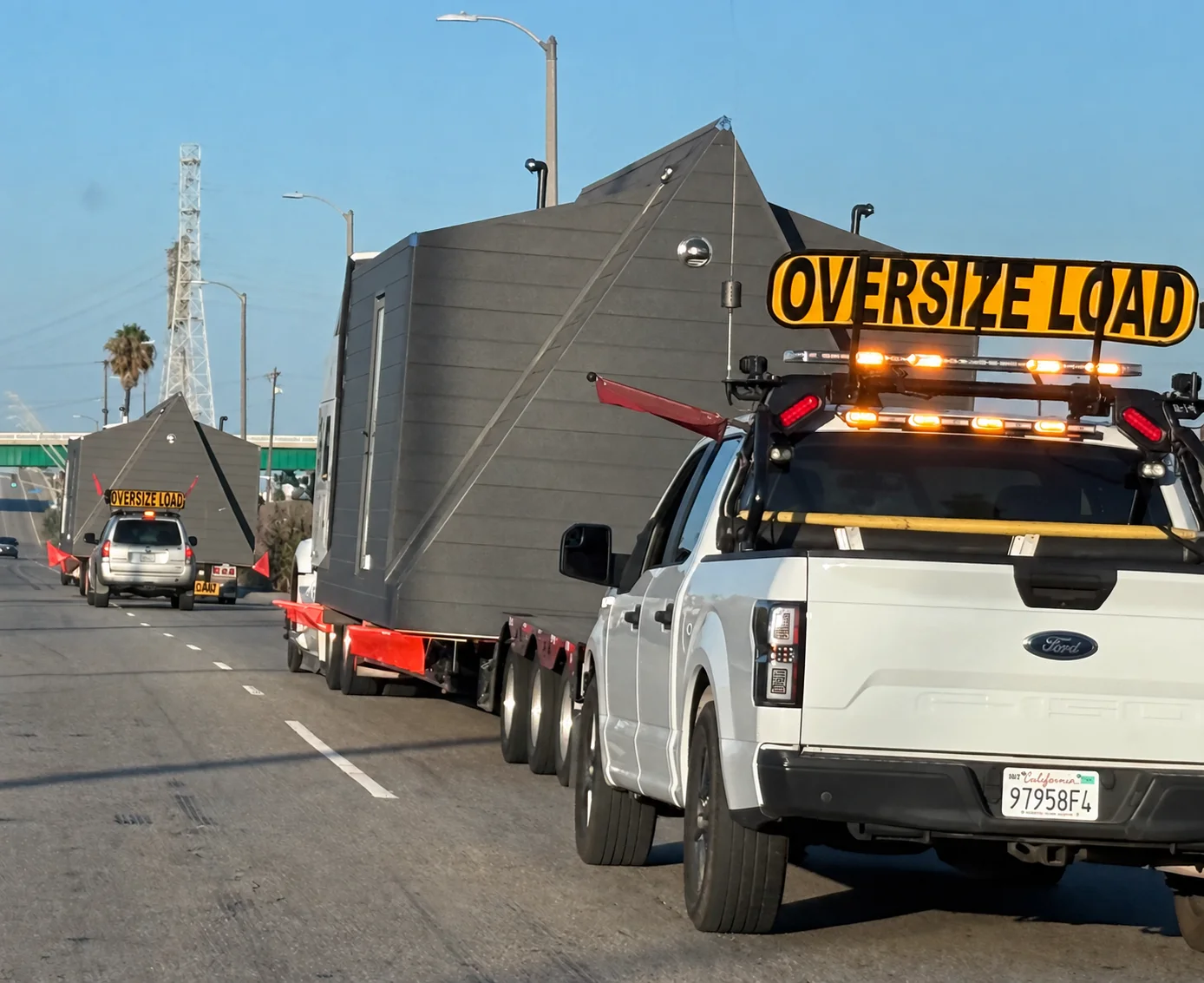
Your freight quote should identify its endpoint and cover the applicable trucking, route planning, permits, escorts, and transit insurance. Clarify responsibility for waiting time, storage, or redelivery if the site isn’t ready.
For an imported unit, confirm whether ocean freight, port charges, brokerage, duties, and inland transportation are already included. Count each expense once.
Then budget for the final placement.
Unloading may require a crane or other approved equipment, rigging, a crew, and temporary access improvements. The unit also needs its specified supports, leveling, and anchoring.
Coordinate the support locations, connection points, truck access, and placement equipment before arrival. A truck waiting beside an unfinished pad is an expensive way to discover a gap in the schedule.
For a closer look at how design, production, and deployment fit together, explore the SandBox process.
Making it work
Nearby utilities aren’t always ready utilities.
A connection can be close to the unit while the system behind it still needs an upgrade. Confirm capacity as well as distance.
- Power
- Include utility-side work, metering, distribution equipment, trenching, wiring, final connections, and testing. Confirm the available load and service timeline.
- Water
- Price the supply and pipe runs, along with any required pressure equipment, treatment, or freeze protection.
- Wastewater
- Establish the approved disposal approach and capacity. Include both the unit connection and any shared-system improvements.
- Internet & access
- Plan for guest Wi-Fi, smart locks, and coverage at each cabin, then test them before opening.
Off-grid systems need a complete budget of their own. Solar, batteries, generators, tanks, and wastewater equipment bring installation, maintenance, and replacement costs.
The last mile
Make room for everything a guest touches.
A deck, a lit path, a comfortable bed, a place to put a suitcase. These details turn a delivered unit into a stay someone wants to book.
Allow for decks, steps or ramps, railings, privacy screening, landscaping, outdoor furniture, and lighting as the project requires. If you’re adding a hot tub, sauna, or outdoor shower, account for its utility needs and ongoing care as well as its purchase price.
Inside, check the quote before buying loose furniture. Your opening inventory may include mattresses, window coverings, towels, spare linens, kitchenware, small appliances, guest supplies, and cleaning equipment. Receiving, assembly, and staging also take time and labor.
Leave room for the actual opening.
Test the installed systems, complete the punch list, and obtain the applicable local sign-offs. Then budget for photography, booking software, listing setup, insurance, staff training, deep cleaning, and launch marketing.
A trial stay can catch the small things: weak Wi-Fi at the bed, a confusing lock, or nowhere to hang a wet towel. Fixing those before the first booking is easier than fixing them during one.
Keep two reserves.
Construction contingency covers unforeseen conditions and unresolved scope. Set it around the risks still open in your project.
Operating cash pays the bills while bookings build or seasonal demand is low. Base it on a monthly forecast of staffing, utilities, maintenance, insurance, software, marketing, lease payments, and debt service.
Include applicable transaction taxes, loan fees, and pre-opening interest in the funding plan. Financing may cover the unit without covering the site work or operating reserve. Confirm exactly what is eligible and when funds are released.
Putting it together
An $85,000 unit.
A $149,000 opening plan.
This hypothetical example shows how the costs add up. It assumes one unit at an existing hospitality property, usable access, spare utility capacity, and short connection runs.
Illustrative allowances only—not SandBox pricing, market averages, or a quote for your property.
| Cost category | Allowance |
|---|---|
| Unit purchase | $85,000 |
| Transportation | $5,000 |
| Unloading and placement | $3,000 |
| Site preparation, supports, and anchoring | $7,500 |
| Connections to existing utilities | $8,000 |
| Deck, access, and modest landscaping | $7,000 |
| Furnishings and opening inventory | $6,000 |
| Local design, approvals, and inspections | $3,500 |
| Transaction tax and fee allowance | $6,000 |
| Photography, launch setup, and commissioning | $2,500 |
| Planned opening costs | $133,500 |
| Construction contingency | $8,000 |
| Operating cash reserve | $7,500 |
| Total funding required | $149,000 |
Excludes land acquisition, major utility upgrades, common buildings, financing costs, and ongoing land lease payments. Add these wherever required. The tax and fee line is an allowance, not an assumed tax rate. Unspent reserves remain cash.
The extra $64,000 isn’t a rule of thumb. It’s the result of the assumptions above. A different site can produce a very different total.
From opening to operating
First revenue is a milestone.
Cash flow is the next one.
Your opening date depends on approvals, site work, utility availability, delivery, installation, and commissioning. Some can run together. All need to come together before guests arrive.
Map the payments onto that schedule: due diligence first, deposits and site work during development, balances and placement costs at delivery, then furnishings and launch expenses. Keep operating cash available after those bills are paid.
Gross accommodation revenue
Available nights × occupancy × average nightly rate
Example: 365 nights × 60% × $250 = $54,750 per year
That’s an arithmetic example, not a revenue forecast. It excludes cleaning fees, lodging taxes, and ancillary sales, and comes before operating expenses, debt service, and income taxes.
Use local demand evidence and comparable properties to develop your own monthly assumptions. Allow for seasonality, the booking ramp, cleaning, management, commissions, utilities, repairs, replacements, and shared overhead. Then test lower rates, lower occupancy, and a delayed opening.
Dividing the investment by gross revenue won’t tell you the payback period. What matters is the cash remaining after the bills.
Before you commit
A few questions worth asking.
How much does a glamping cabin cost fully installed?
It depends on the unit and the site. Start with the purchase price, then add delivery, placement, supports, utilities, outdoor work, furnishings, approvals, and opening expenses. Include land, shared infrastructure, financing costs, and reserves where applicable. The example above illustrates the method, not a price range.
Does a finished cabin arrive ready to rent?
It can arrive with much of the interior work complete. The site still needs installation, connections, supplies, operating setup, and applicable approvals completed before guests arrive.
Will buying several units lower the cost per unit?
Units may share design work, contractor mobilization, and infrastructure. Additional units can also trigger larger systems or more site work. Compare written scopes at each quantity instead of assuming a volume discount covers the whole project.
What should I bring to a budget conversation?
The location, intended use, unit count, preferred layouts, site access, existing utility information, and opening target. Those details help replace broad allowances with a scope that fits your property.
Your next destination
Let’s put your property
into the picture.
Tell us where you’re building, how many units you have in mind, and what’s already on site. We’ll start with the unit scope and delivery considerations that shape your project.
Discuss your project budget ↗